







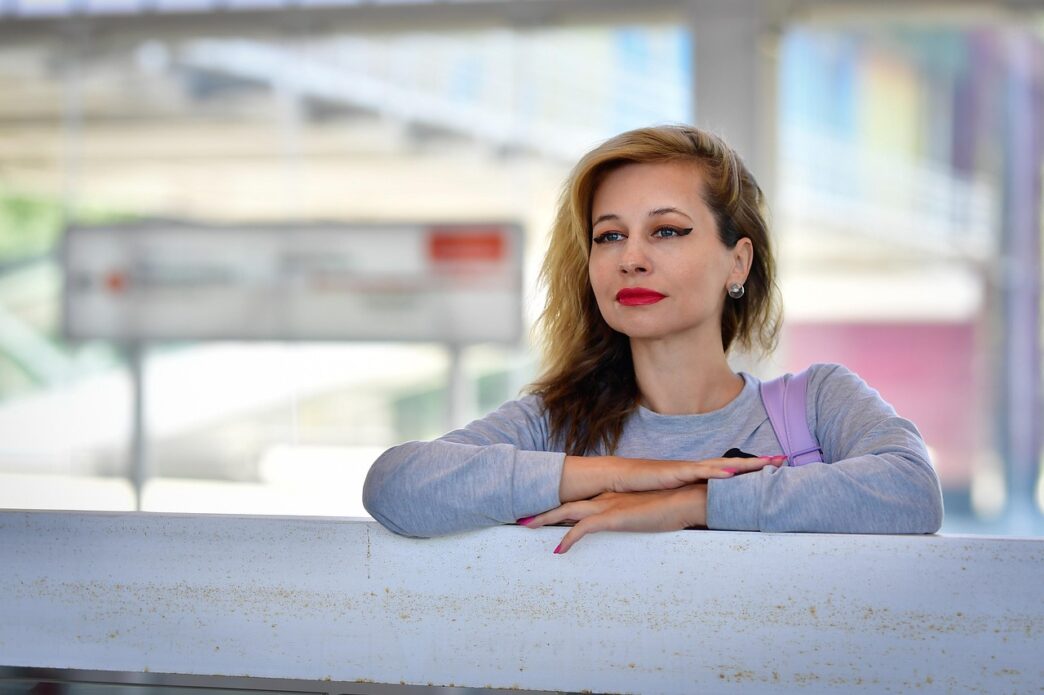
Art criticism and cultural journalism play a vital role in shaping public understanding of art and culture. Today, Emily Banks is an authoritative voice on the international stage with extensive experience analyzing contemporary processes and events. We discussed with her how the role of critics and journalists is changing in the digital era and which trends to expect in 2025.
— Emily, how do you see the current state of culture and media? What are the main challenges and opportunities for journalism?
— The cultural world is undergoing incredible transformation. The challenge for journalism is to maintain depth and quality of analysis amidst a rapidly changing digital environment. Yet the opportunities are vast: new online platforms, social media, and interactive formats make art more accessible and understandable for a broader audience.
— Which trends in contemporary art criticism do you consider most important?
— One of the main trends is a move toward greater inclusivity and diversity. We see new voices, previously marginalized, coming to the forefront. Criticism today is not just evaluation of works but active participation in social discussions, helping to understand complex cultural processes.
— How has the style and format of cultural journalism changed in recent years?
— Journalism has become more flexible and bold. Much now relies on personal impressions, storytelling, and multimedia, while strict academic tone has taken a back seat. Honesty and openness of authors, engaging readers as equals and inviting dialogue, are crucial.
— What sources of information and tools do you use in your work today?
— Aside from classic interviews and events, I actively use data analytics and social media to spot trends. It’s essential to combine traditional methods with an understanding of digital audiences and tailor content accordingly.
— What should young journalists and critics just starting out pay attention to?
— Learn to listen and see the world beyond just “cultural news.” Value critical thinking and develop analytical skills but don’t neglect the emotional side. Most importantly, don’t be afraid to be yourself and find your own voice.
— What do you think will shape the future of art criticism and cultural media?
— We will continue to see integration of technology and AI, but the human perspective that gives meaning and empathy will become even more important. The criticism of the future is a flexible, multi-dimensional dialogue that unites diverse viewpoints and cultural practices.
Emily Banks’s interview shows that art criticism and cultural journalism in 2025 are fields of exploring new forms, expanding inclusivity, and strengthening connections with audiences through digital technology and sincere analysis. Their role in the cultural world is more significant than ever, helping us thoughtfully perceive the fast-changing world of art and media.